
If your child with ADHD melts down during times tables practice, you're not alone, and it's not their fault. Many parents watch their bright, creative kids struggle with something that feels so simple, and it's heartbreaking. The good news? There are better ways to teach multiplication that actually work with how ADHD brains are wired.
Why Times Tables Are Challenging
Times tables demand strong working memory and sustained attention, two areas that are often challenging for kids with ADHD. Yet mastering them is crucial because they form the foundation for fractions, algebra, and everyday math confidence. The key is changing how we practice, not just practicing more.
1. Use Color-Coded Visual Learning Tools
ADHD brains are often strong visual processors. Color helps create stronger memory connections and reduces cognitive overload.
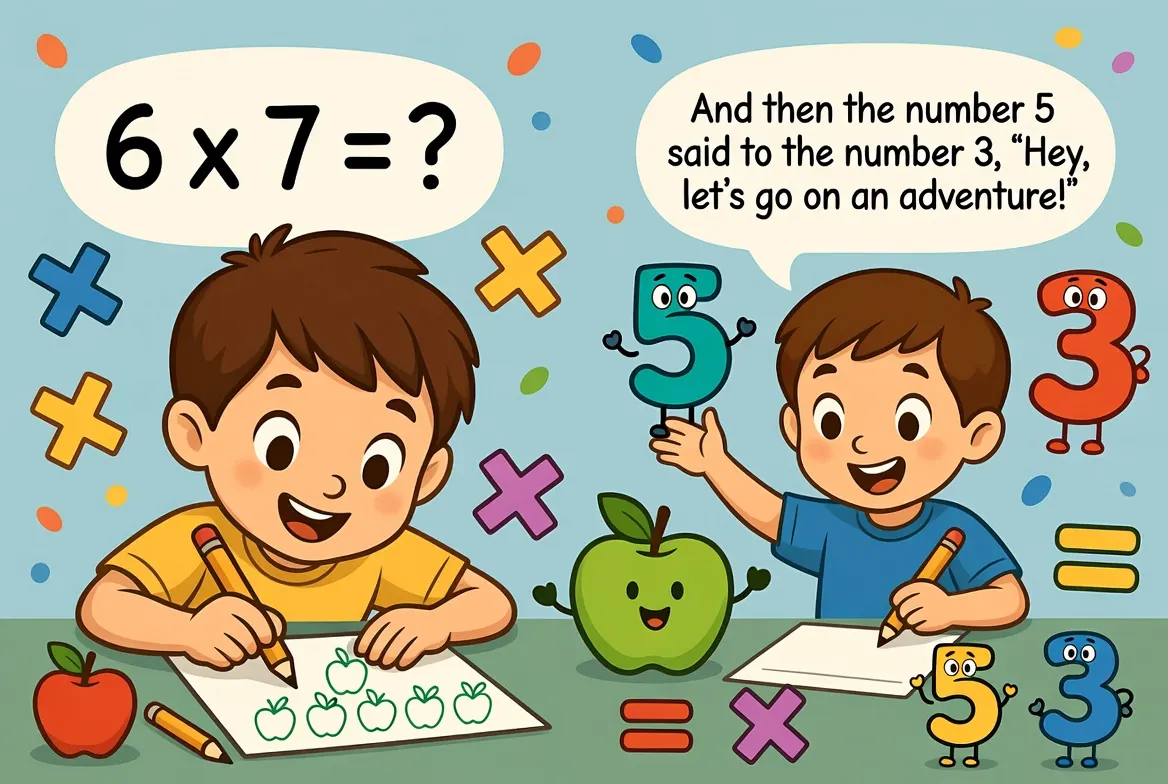
That's why we built our interactive learning grid so each times table from 1 through 12 has its own vibrant, distinct color gradient. Kids can instantly recognize patterns and feel a sense of ownership when they pick "their" color table to practice first.
💡 Practical tip: Let your child choose which color table to start with. Giving them control increases buy-in dramatically.
2. Break Practice Into Micro-Sessions (5-10 Minutes Max)
The CDC notes that behavior strategies for ADHD often work best when tasks are broken into short, manageable chunks rather than long stretches. For times tables practice, that usually means short, intense bursts instead of long drills that lead to frustration and shutdown.

Set a timer for 5–8 minutes, focus on just one table, then celebrate the win. Our practice mode lets you customize exactly how many questions to attempt so sessions stay short and successful.
💡 Practical tip: Practice right before something your child enjoys (snack, screen time, or play). The natural reward makes the session feel positive instead of punitive.
3. Turn Learning Into Movement-Based Games
The CDC also points to regular physical activity as a support for attention and learning in kids, which is part of why movement-based practice can work especially well for active learners.
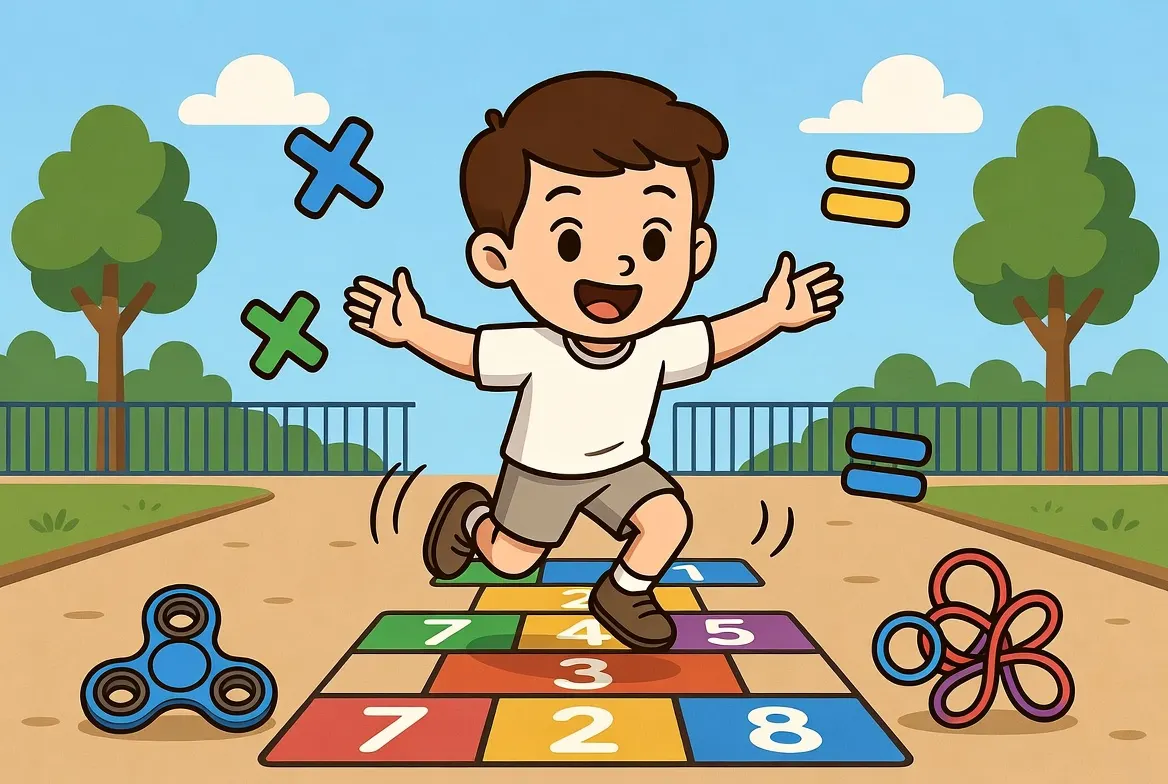
Try offline games like jump-rope times tables or dance moves for each answer. Online, our Memory Match game adds a satisfying kinesthetic element as kids flip cards.
💡 Practical tip: Let them stand, wiggle, or pace while using a tablet. Many kids focus better when their bodies are moving.
4. Eliminate ALL Distractions (Especially Ads)
ADHD brains are extremely sensitive to distractions. Most "free" math websites are packed with pop-up ads, autoplay videos, and bright banners that destroy focus within seconds.

We built our times tables learning tools completely ad-free and distraction-free because we saw how much those interruptions hurt our own son's ability to learn. No tracking or data collection in any learning area, and no signup required.
💡 Practical tip: Create a calm physical space too. Put away other devices and choose a quiet corner during practice time.
5. Use Immediate Feedback & Visual Rewards
ADHD brains crave dopamine. Delayed rewards (like a sticker at the end of the week) don't work nearly as well as instant visual feedback.
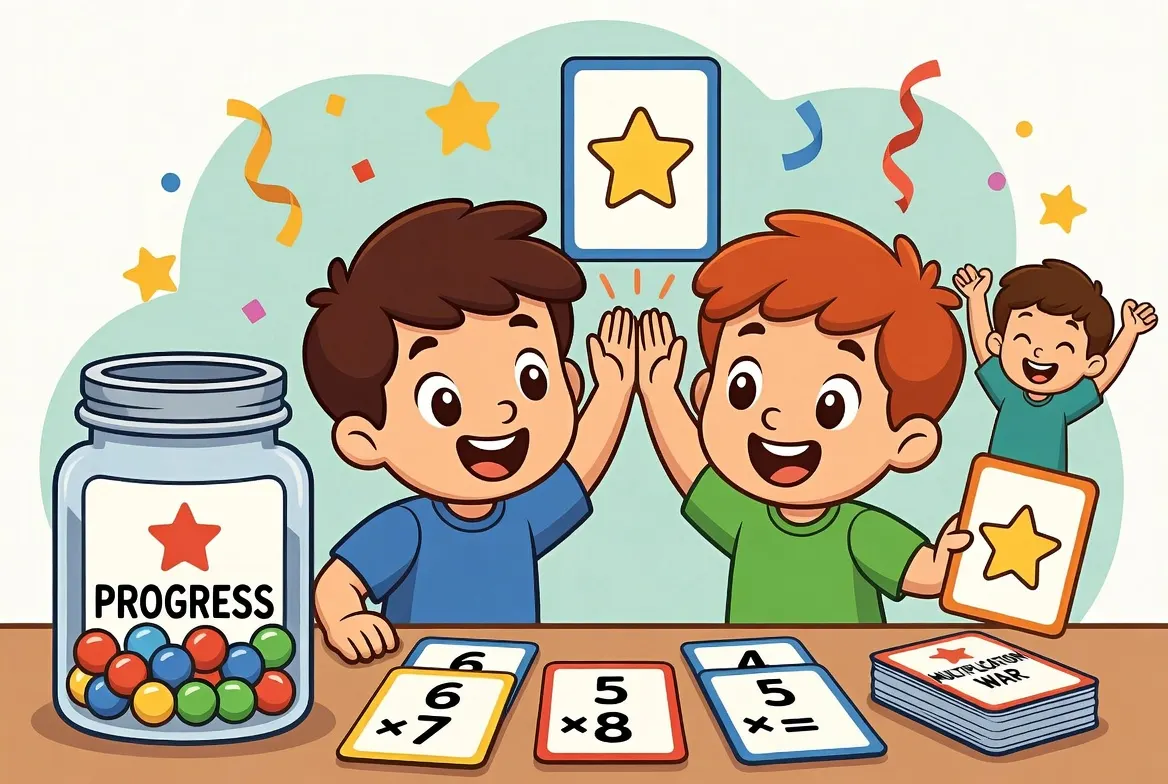
Our practice quizzes give immediate star ratings (1–5 stars) based on accuracy, plus visible progress tracking in the dashboard. Kids see their improvement in real time, which keeps motivation high.
💡 Practical tip: Let them screenshot their 5-star results to share with grandparents or add to a "math wins" wall.
Try These Strategies with Our Free Tools
Everything on our site is 100% free forever, no hidden costs, no freemium model, and no ads in any learning area.
🚀 Start Learning Now (It's Free!)Works on any device • No signup required • Progress saved locally • Complete privacy
Conclusion
Your child can master times tables. It's not about working harder, it's about working in a way that matches how their brain learns best. With the right strategies and tools, multiplication can actually become something they enjoy.
Every child with ADHD is different, so talk with your child's teacher or doctor about what fits them.
We'd love to hear your success stories. Feel free to contact us anytime!
Common Questions
Q: How long should ADHD kids practice times tables each day?
A: 5–10 minutes, 2–3 times per day is far more effective than one long 30-minute session. Short, successful bursts build confidence and prevent burnout.
Q: What if my child refuses to practice?
A: Turn it into a game instead of a chore. Let them choose the color table, use movement activities, or play our Memory Match game. When learning feels fun, resistance drops dramatically.
Q: Should I help them or let them work independently?
A: Start together, then gradually step back. Many kids do best with a parent or teacher nearby for the first few minutes, then they take over once they feel successful.