
Quick answer: 3rd grade multiplication introduces multiplication and division as formal operations: understanding equal groups and arrays, multiplying and dividing within 100, learning the properties of multiplication, and solving two-step word problems. By the end of 3rd grade, Common Core standard 3.OA.C.7 expects children to know all one-digit multiplication facts from memory.
Third grade is the year multiplication stops being a side topic and becomes a core focus of math class. If your child is bringing home arrays, fact families, and timed multiplication quizzes for the first time, that is exactly on track with the national Common Core standards used across most of the United States.
This guide breaks down exactly what 3rd grade multiplication covers, where the standards come from, and simple ways to reinforce the skills at home without turning homework time into a fight.
Most states base their math curriculum on these same national standards, even if the exact wording in your child's classroom looks a little different.
1. What the Common Core 3.OA Standards Actually Say
Multiplication in 3rd grade falls under a domain called Operations and Algebraic Thinking, abbreviated 3.OA in most curriculum materials. According to the official Common Core State Standards for Mathematics, Grade 3, this domain covers four main areas: representing and solving multiplication and division problems, understanding the properties of multiplication, fluently multiplying and dividing within 100, and solving multi-step problems while identifying number patterns.
The standard most parents ask about is 3.OA.C.7, which states that by the end of grade 3, students should fluently multiply and divide within 100 and know from memory all products of two one-digit numbers. In plain terms: every fact in the 0 through 9 times tables, cold.
💡 Practical tip:Many 3rd grade classrooms also introduce the 10s, 11s, and 12s to get ahead of 4th grade, even though they are not a strict Common Core requirement for this grade. Check with your child's teacher to see how far their specific classroom goes.
2. Arrays: The Building Block Behind Every Fact
Before kids memorize that 5 times 7 equals 35, Common Core standard 3.OA.A.1 asks them to understand what multiplication actually represents, interpreting 5 times 7 as the total number of objects in 5 groups of 7. Arrays, grids of objects arranged in equal rows and columns, are the main tool teachers use to make this concrete.
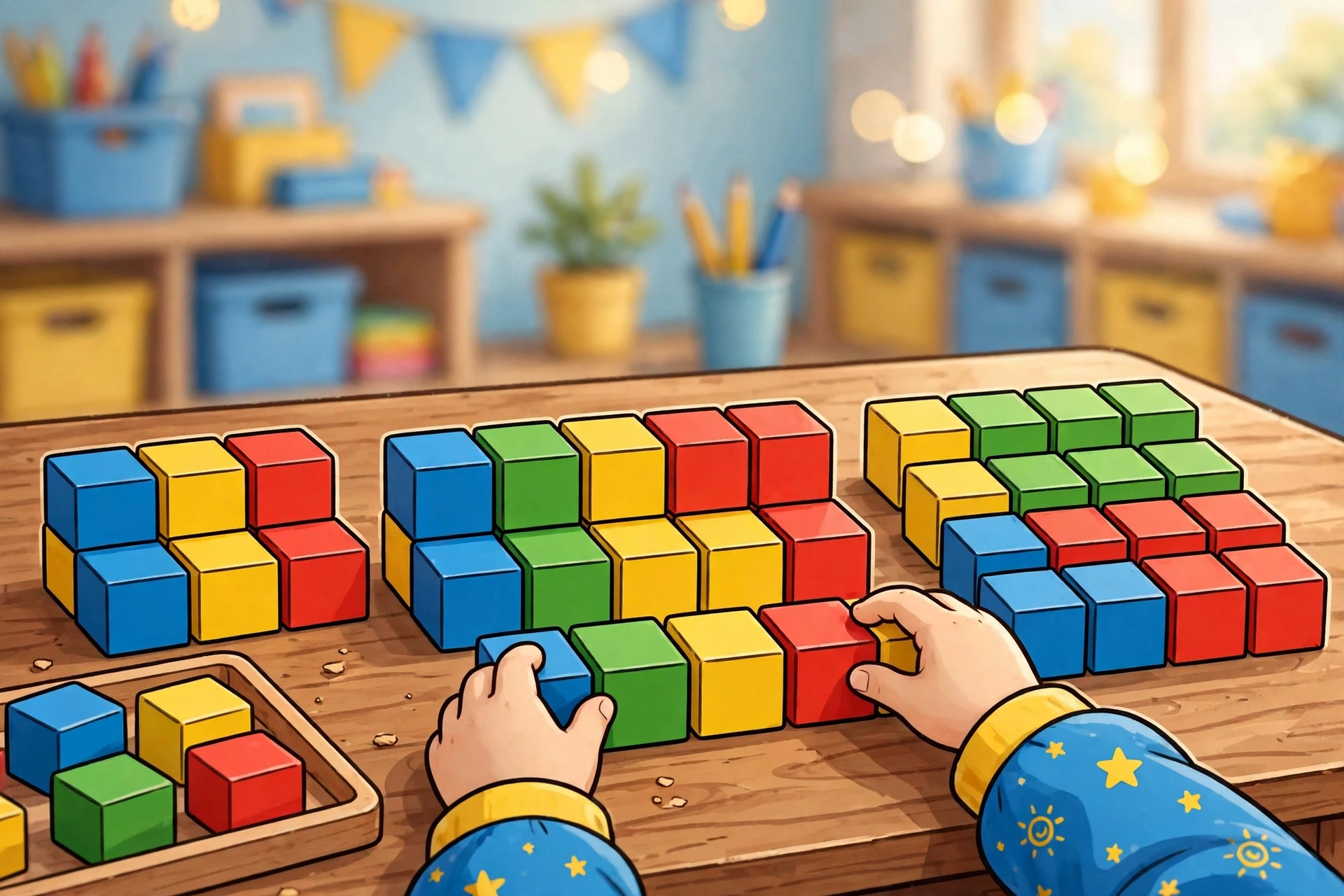
You can recreate this at home with almost anything: building blocks, dried beans, or even muffin tins. Arrange 4 rows of 6 blocks and ask your child to count the total two ways, by counting everything one by one, and then by multiplying rows times columns. Seeing both methods land on the same answer builds real understanding, not just memorized recall. This same idea also appears later as area, since a rectangle with whole-number sides can be tiled and counted the same way an array can.
See the 4 times table chart →3. Skip Counting and the Number Line
Skip counting, counting up by the same number repeatedly, is the bridge between addition and multiplication that most 3rd grade classrooms lean on heavily, especially for the easiest tables. Counting 2, 4, 6, 8, 10 on a number line is the same thing as multiplying by 2, just broken into visible steps.
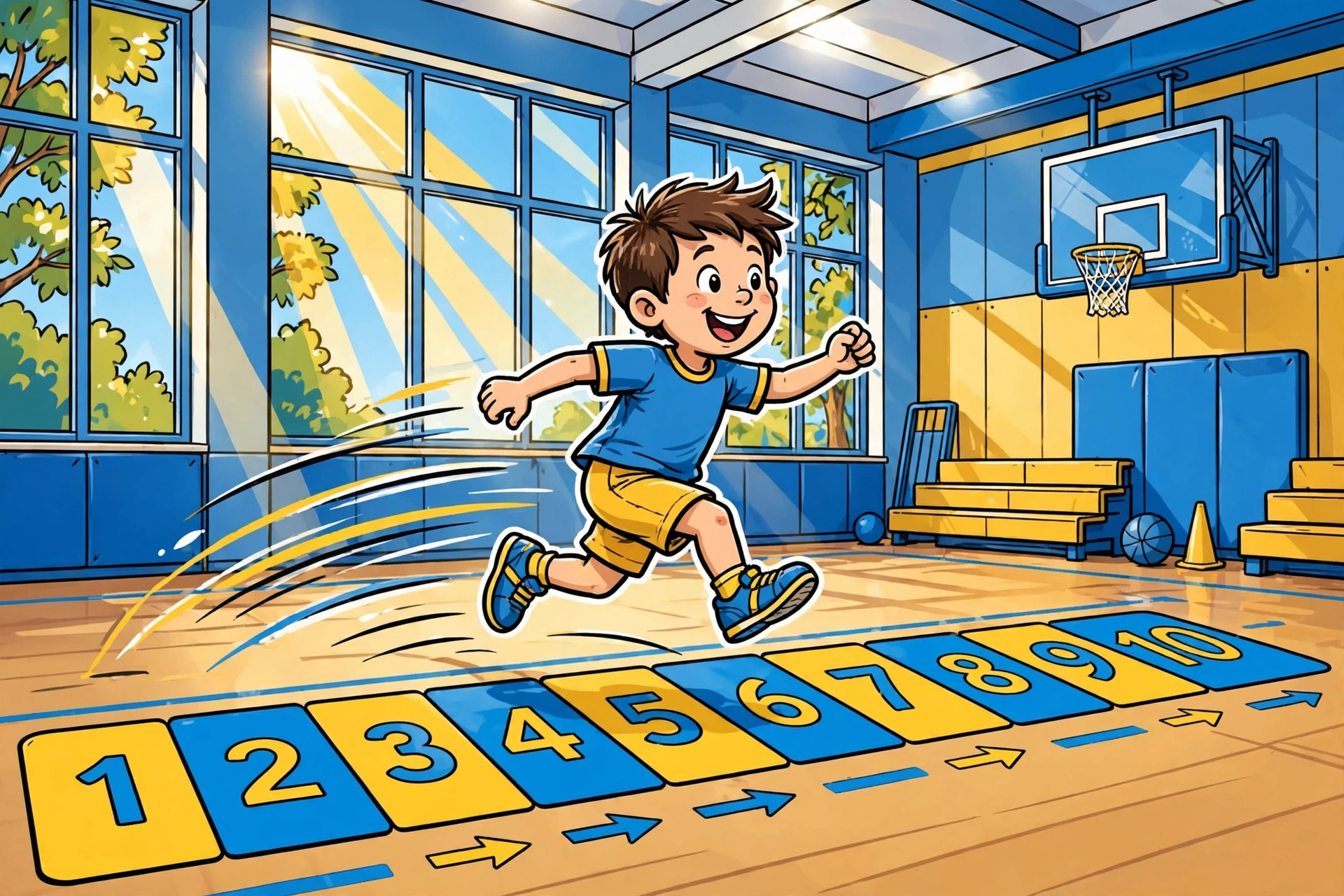
Most 3rd graders start skip counting with the 2s, the 5s, and the 10s, since these patterns are the most visually obvious on a number line. These three tables are also where most teachers recommend starting at home, since early wins build the confidence needed for harder facts later. For the full sequence to follow after these three, see our complete guide to the best order to learn times tables.
💡 Practical tip: Draw a simple number line on paper and have your child physically hop a finger along it while counting out loud. The physical motion reinforces the pattern better than counting silently.
4. Helping With 3rd Grade Multiplication Homework
Third grade homework often mixes straightforward fact practice with word problems, since Common Core standard 3.OA.D.8 requires students to solve two-step word problems using all four operations. If your child freezes on a word problem, the issue is often reading comprehension, not multiplication itself.

Ask your child to underline the numbers in the problem and circle the question being asked before doing any math. This slows them down just enough to understand what the problem actually wants, rather than guessing at an operation.
If worksheet time tends to end in tears, our no-tears guide to multiplication worksheets covers how to pick the right level and keep sessions calm.
Try our interactive learning grid →5. Flashcard Practice That Builds Real Fluency
Flashcards remain one of the simplest ways to build the fact fluency required by 3.OA.C.7. The key is sorting them by how well your child knows each fact rather than drilling the whole deck every time.
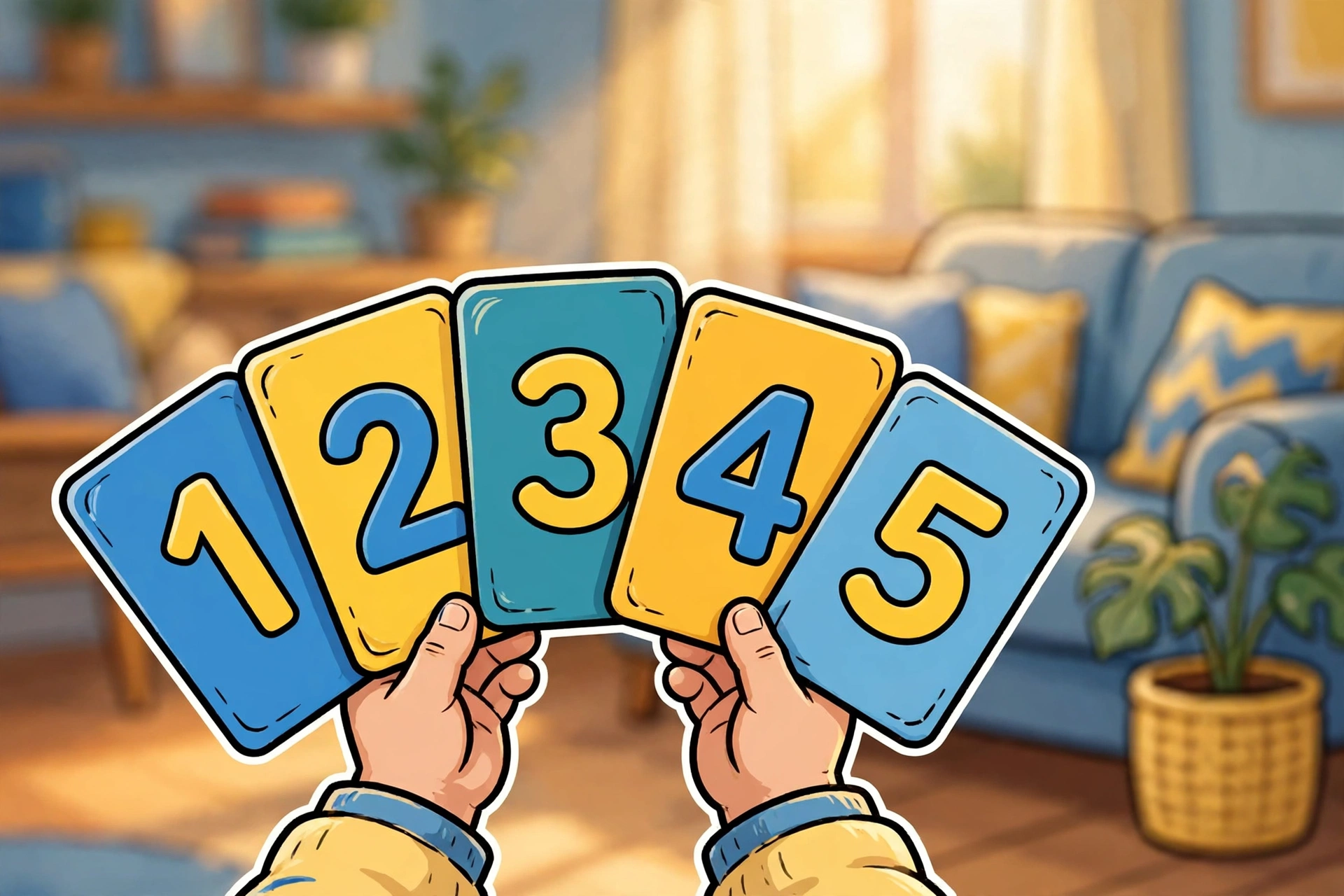
Split the deck into three piles after each round: facts answered instantly, facts answered after a pause, and facts missed entirely. Spend most of the next session on the missed pile, a quick check-in on the pause pile, and barely touch the instant pile. For a digital version of this same sorting logic, our practice quizzes track accuracy automatically so you can see which facts need more attention.
💡 Practical tip: Keep flashcard sessions under 10 minutes. Third graders have limited attention spans, and a short, focused session beats a long one that ends in frustration.
For days when flashcards feel like a chore, swap in one of our screen-free multiplication games instead. Same fact practice, different format.
6. What Multiplication Looks Like in the Classroom
Most 3rd grade classrooms reinforce multiplication visually, through posters, anchor charts, and classroom number lines that stay up all year. Seeing the same chart every day in class does for students what a printable chart at home does for homework: repeated, low-pressure exposure.
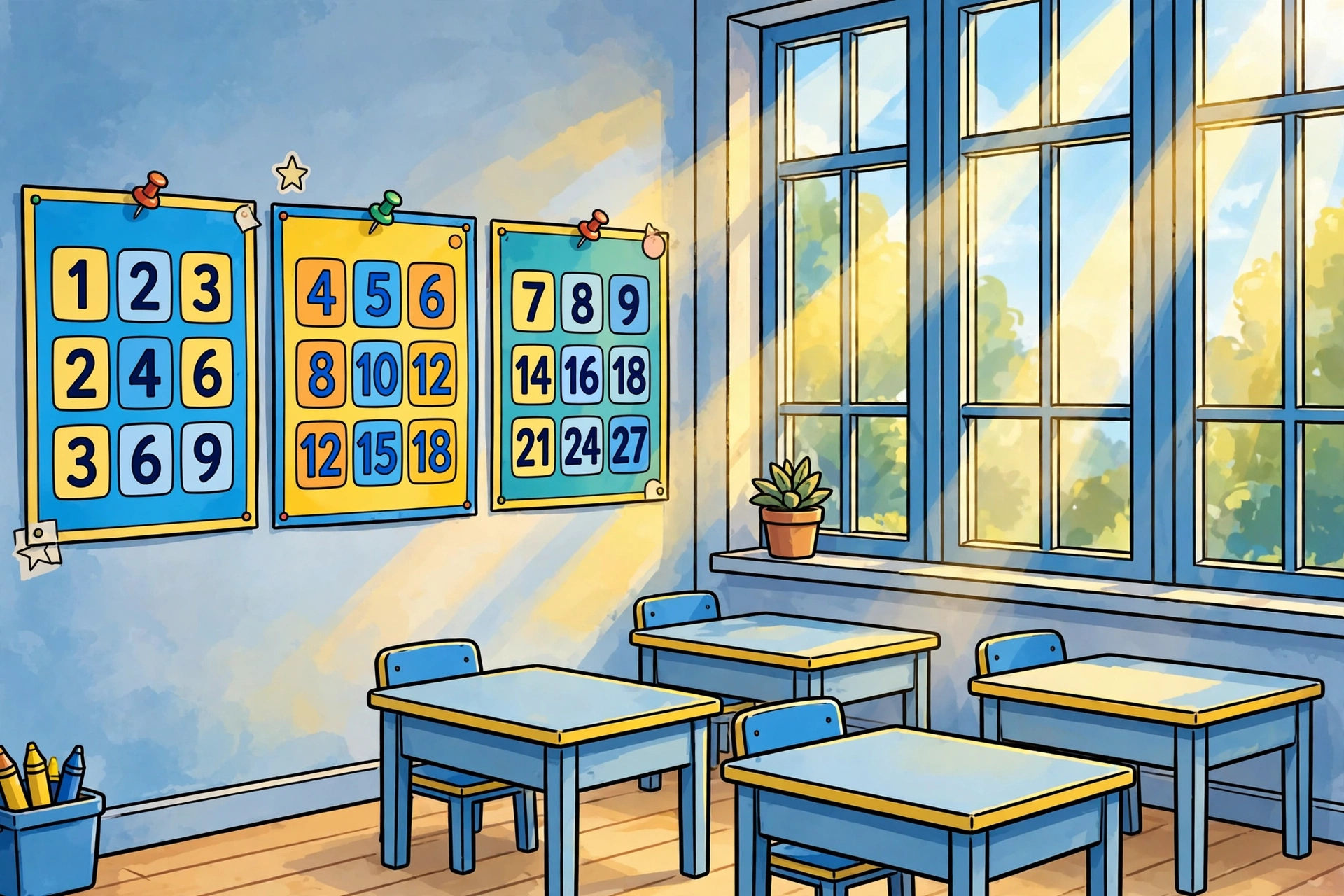
You can recreate the same effect at home with our free, printable multiplication chart, which pairs well with whatever your child's teacher is already using in the classroom.
Common Questions From Parents
Is my child behind if they still use their fingers to multiply?
Not necessarily, especially early in the school year. Using fingers or drawings is a normal transitional strategy as kids move from concrete counting to memorized facts. If finger counting is still the main strategy by the end of 3rd grade, extra focused practice can help close the gap.
Do 3rd graders need to know division too?
Yes. Common Core treats multiplication and division as closely linked in 3rd grade, with standard 3.OA.B.6 specifically asking students to understand division as an unknown-factor multiplication problem rather than a separate, unrelated skill.
What is a fact family and why does it matter?
A fact family is a set of related multiplication and division facts that use the same three numbers, like 4, 7, and 28. Learning fact families reinforces that multiplication and division are two sides of the same relationship, which supports the standards above.
Should I hire a tutor if my 3rd grader is struggling?
Many families see real progress with consistent at-home practice before considering a tutor. Short daily sessions using arrays, skip counting, and flashcards cover the same ground a tutor would focus on for multiplication facts specifically.
Support 3rd Grade Multiplication at Home
Everything on the site is free and built around the same skills covered in 3rd grade classrooms.
Works on tablets, computers & phones • No sign-up needed • Everything on the site is free
Multiplication Is the Big Milestone of 3rd Grade
Third grade multiplication asks a lot of kids in a short amount of time: understanding what multiplication means through arrays, building fluency within 100, and applying it all to word problems. Knowing what the standards actually expect, rather than guessing, makes it much easier to support your child without adding pressure.
Start with arrays and skip counting to build understanding, then layer in flashcards and short daily practice to build speed. Our free learning grid follows this same progression, one table at a time.
A child who understands why multiplication works, not just the memorized answers, carries that foundation forward into every math class that builds on it.